Cloud vulnerability and firmware fixes
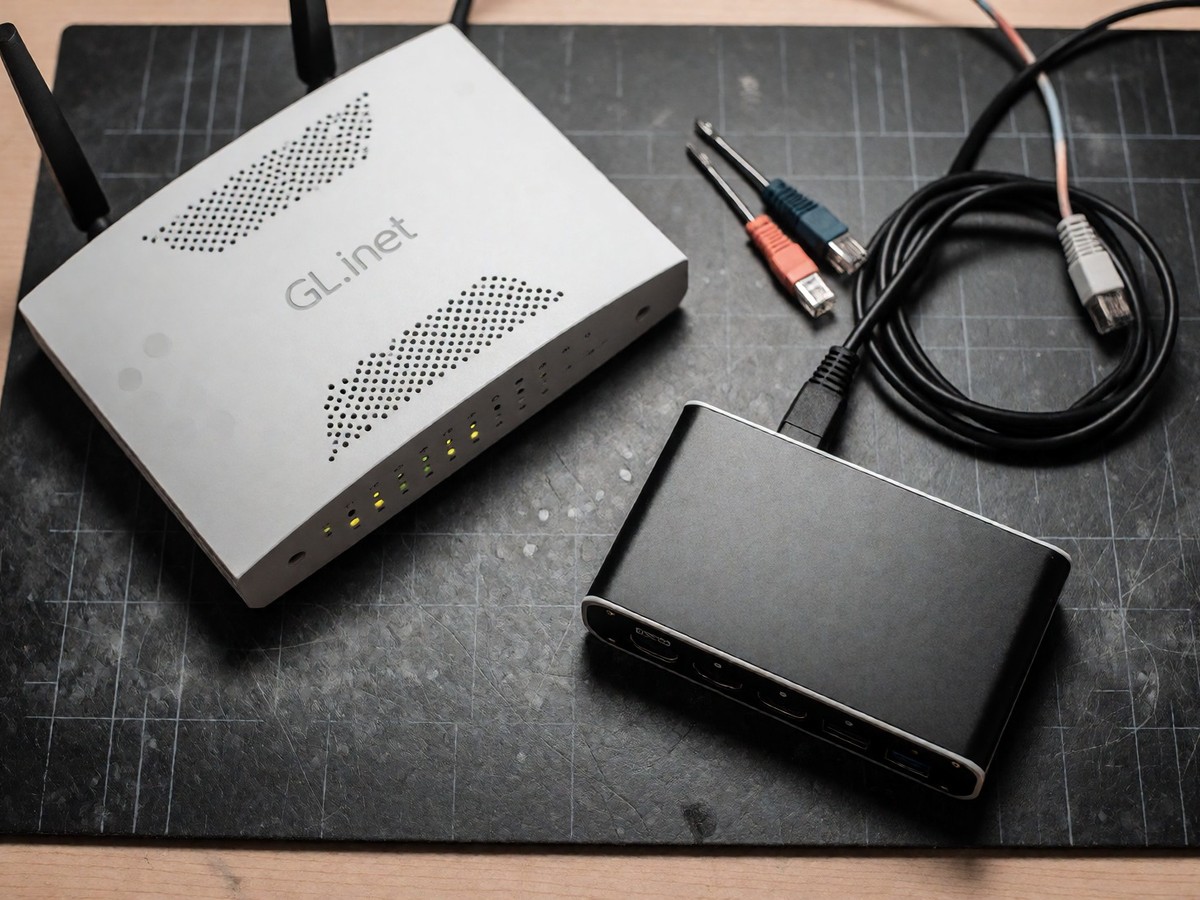
GL.iNet confirmed that hackers exploited a vulnerability in its GoodCloud remote management services to install custom malware on customer routers and KVM devices. The company published a security advisory on November 20 stating that an unauthorized party used the cloud platform to access devices and install malicious software. While GL.iNet blocked the attack path and fixed the cloud vulnerability, the company states these measures do not remove malware from devices that were already infected. Researchers at RemoteToHome Consulting identified a potential command injection vulnerability in the GoodCloud client where a specific handler used for AstroWarp/SD-WAN functionality passes cloud-supplied values into shell commands that execute with elevated root privileges. GL.iNet has not confirmed whether this specific vulnerability was used in the attacks.
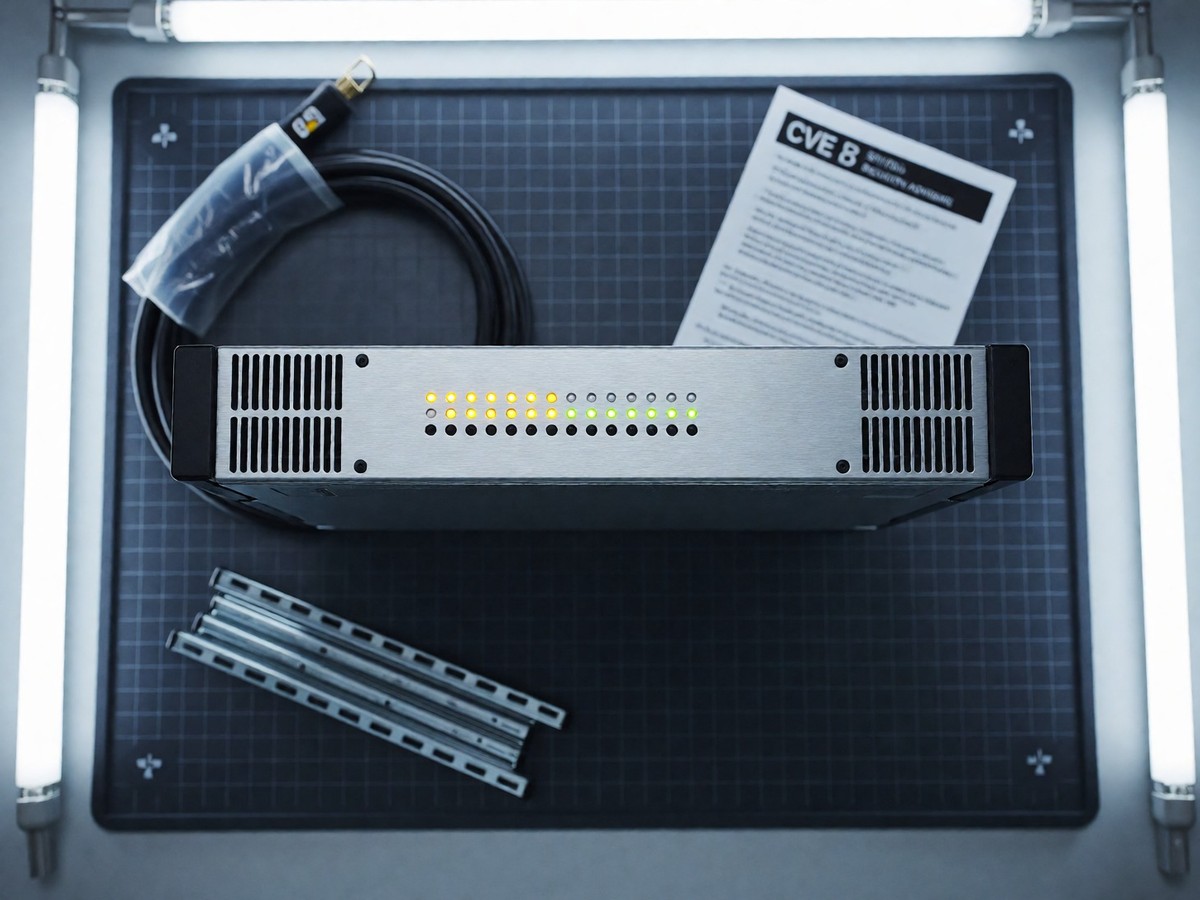
The KVM devices allow users to access and control computers remotely, which means the malware could potentially target the connected computers. GL.iNet is investigating whether computers connected to infected KVM devices were compromised.
| KVM Model | Required Firmware Version |
|---|---|
| RM1, RM1V2, RM1PE, RM4PE | 1.10.3 or later |
| RM10RC | 1.10.3 beta or later |
| RMQ1 | 1.8.7 or later |
The company scheduled stable firmware updates for routers and KVM devices for release on November 22, 2026. Router owners must install the latest security firmware for their specific model as soon as it becomes available. For KVM devices, customers can follow the firmware upgrade guidance provided by the company.
Extent of the infection
RemoteToHome Consulting researchers analyzed 183 routers and found suspicious activity on 152 of those devices. Out of those 152, researchers found 24 with root-level reverse shells, 47 with an older persistent backdoor, and 81 showing evidence that attacker-supplied commands had executed. The researchers noted that these findings may not match the experiences of other GL.iNet customers and that the older backdoors might not relate to the November attacks. Forum members warned that GL.iNet’s detection instructions are inadequate to identify all compromised devices, particularly those infected with other backdoors or running reverse shells. The initial instructions from GL.iNet directed customers to look for a process running as crond -i /tmp/.log to identify compromised hardware.
GL.iNet provided a link to a community-developed detection and cleanup tool as part of its official support instructions. This scanner performs checks for known malware files, suspicious processes, modified system utilities, and configuration files modified for persistence. The project’s developers warn the scanner cannot detect every infection. They state that compromised devices may require reinstalling firmware without retaining existing settings because malicious files in configuration directories could survive a standard firmware upgrade. Users who suspect a compromise should preserve evidence before resetting devices, avoid restoring potentially infected configurations, and rotate credentials or access tokens. If users run the scanner, GL.iNet asks them to upload the anonymous report so developers can determine the number and types of devices impacted.
Malware behavior and persistence
A malicious ni.sh script discovered by BleepingComputer contains code tailored for GL.iNet hardware that recognizes numerous device models and downloads executables named gl-helper and gb from hardcoded servers. The script establishes persistence through startup scripts and scheduled tasks and uses the Linux nc utility to create outbound connections to 170.39.226[.]219. The installer replaces the legitimate netstat utility with a modified shell script to filter out connections to 66.245.219[.]252. This modification allows the malware to hide its communications from administrators who examine network connections. The script also contains Chinese-language developer comments that describe its persistence mechanisms and interactions with the cloud management software.
The owner of a compromised GL-RM1 KVM shared network logs that show the device downloaded a malicious ni.sh script and additional executable payloads from 66.245.219[.]252 on November 19. That device began communicating with approximately 1,800 residential IP addresses daily and repeatedly contacted the TRON blockchain API. The malware may have allowed access to the computers controlled by the KVM, so those devices require analysis for potential compromise. Researchers also examined a separate malicious Lua payload recovered from a GL-MT2500 router. The payload launched through a modified urandom_seed startup script and included functionality to collect device information, contact remote servers, and download and execute additional programs.