
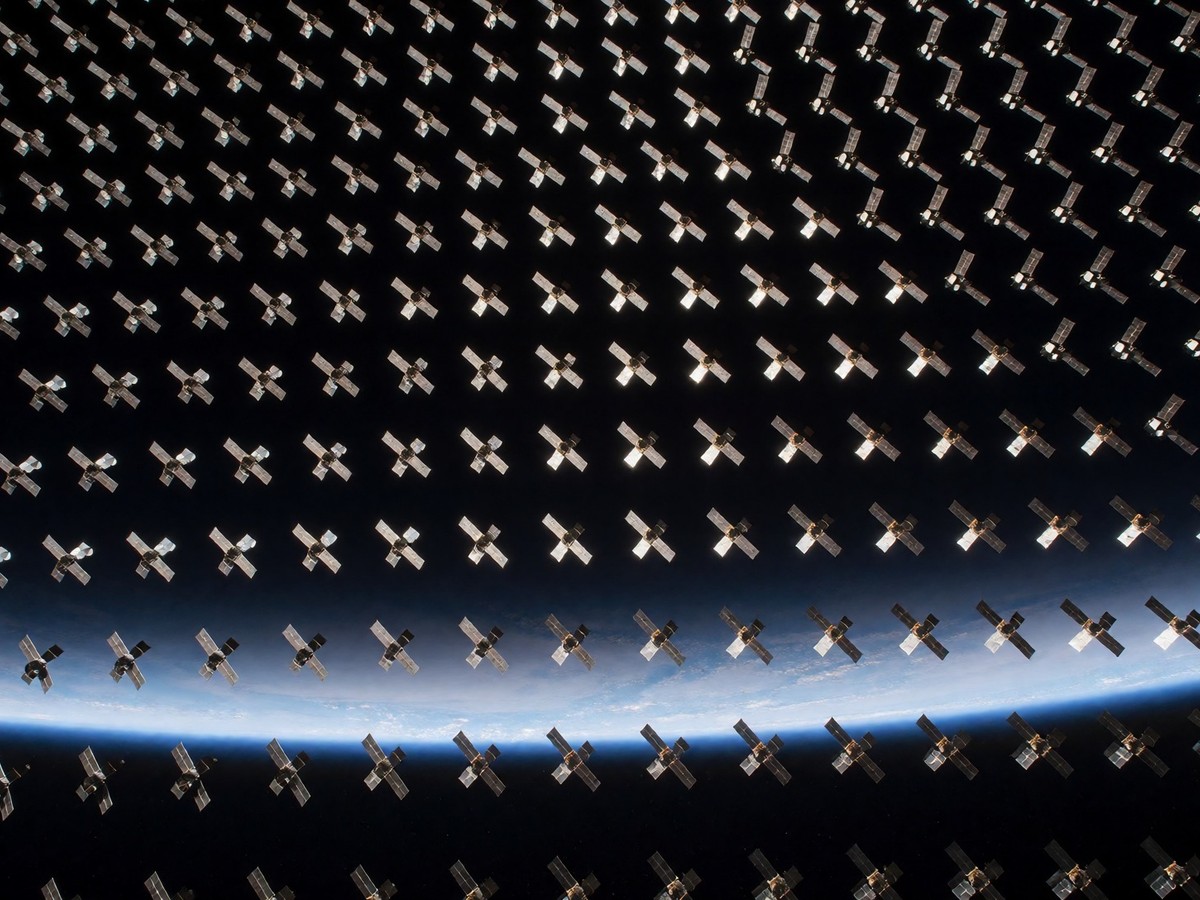
Massive orbital expansion
The Federal Communications Commission granted SpaceX conditional authorization to deploy a constellation of up to 1 million Starmind satellites designed to serve as orbital data centers, a move that would increase the number of satellites in orbit by roughly 50-fold. This decision provides SpaceX a massive regulatory window for its space infrastructure. The FCC announced the decision a day before the Thanksgiving holiday in the United States. SpaceX has seven years to deploy a single operational Starmind satellite under the order. By November 2035, the company must deploy 100,000 operational satellites, followed by the full constellation in November 2040. This 14-year regulatory runway provides the company with ample time to manage the most ambitious industrial project approved for spaceflight.
This authorization is a regulatory victory for SpaceX and Elon Musk, who allied himself with the Trump administration. "The United States is moving decisively to ensure that this breakthrough technology creates opportunity, drives investment, and delivers lasting benefits for the American people," FCC Chairman Brendan Carr said in a statement on Wednesday. He added that the action opens a "bold new frontier" for the computing infrastructure needed to power America’s leadership and growth. This expansion would increase the current number of satellites in orbit by roughly 50-fold.
Orbital parameters and disposal
The FCC decision clears a major hurdle for space-based computing, though the commission does not establish that orbital data centers are technically or economically viable. SpaceX proposed operating in six orbits ranging from 550 km to about 1,000 km. The company requested a waiver from FCC rules to allow satellites above 600 km to move into "Earth disposal orbits or heliocentric orbits" instead of burning up in the atmosphere. This flexibility allows the company to move retired satellites into other orbits around Earth or potentially into orbit around the Sun. This would allow the company to manage retired hardware without the need to burn every satellite in the atmosphere. The decision does not verify if such a massive number of satellites can function as stable data centers in the vacuum of space, as the technical viability of such a project remains unproven.
| Parameter | Specification |
|---|---|
| Maximum Satellites | 1,000,000 |
| Orbit Range | 550 km to 1,000 km |
| 100,000 Satellite Deadline | November 2035 |
| Full Constellation Deadline | November 2040 |
| Single Satellite Deadline | 7 years |

