Re-evaluating the 2030 timeline
Meta is re-evaluating its 2030 net-zero emissions goal and interim milestones to reflect current operating realities. Rachel Peterson, vice president of data centers, and Blair Swedeen, global head of net-zero and sustainability, wrote in the company’s 2026 sustainability report that demand for AI infrastructure grew faster than anyone projected. This demand arrived on a timeline measured in quarters rather than decades. I find it difficult to view this as anything other than a retreat from previous climate commitments to feed an AI rollout. While Meta says it remains committed to net zero, the company is pulling back on its 2030 timeframe and near-term intensity targets, a Meta spokesperson told TechCrunch. This shift follows a massive surge in energy needs, and Meta’s greenhouse gas emissions doubled over the last four years. Between 2024 and 2025, its data center emissions increased more than 12 times, even though the Hyperion data center in Louisiana is not yet online.
The decision to prioritize AI expansion over existing climate targets led Meta to leave RE100, a corporate renewable energy initiative, in July because the group began requiring more rigorous reporting toward renewable energy targets. Meta had belonged to that group for a decade before the split. I think Meta’s multi-billion-dollar bet on natural gas at its Hyperion facility undermines its previous status as a major purchaser of clean power. Natural gas may burn cleaner than coal, but its impact on global warming remains significant when the leaky infrastructure needed to burn it is factored in. There is little data to support the idea that AI will be a profit driver for a consumer-focused company like Meta.
The natural gas bet
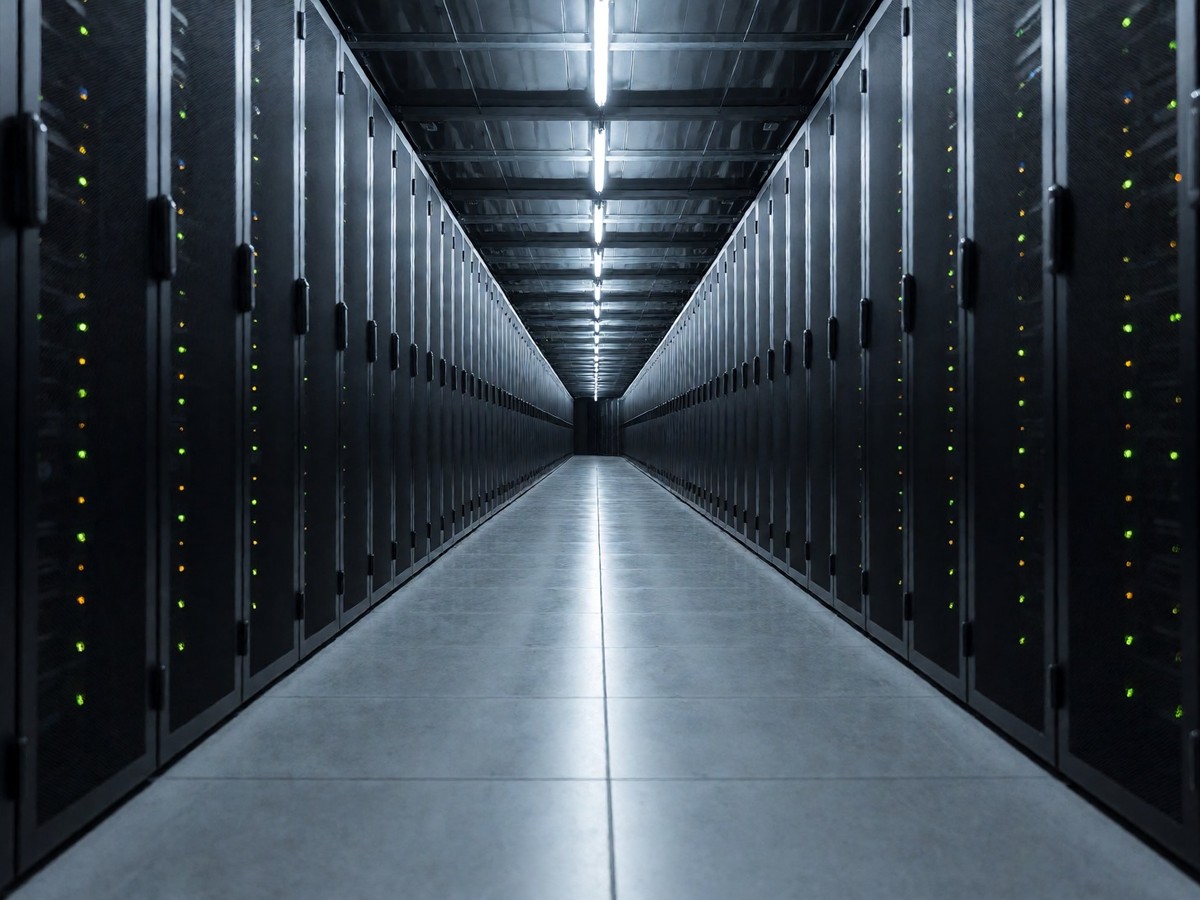
The choice of fuel to power these AI ambitions was a conscious decision, as natural gas power plants can run 24/7 but struggle with the energy requirements of AI data centers that surge and sag depending on the load. An expert recommends that companies should connect to the grid and use batteries to bridge gaps during times of peak demand instead of relying on gas. This choice ignores the progress made by companies like Fervo, Mazama, and Quaise in the geothermal energy sector. Such technology could become competitive with natural gas in the mid-2030s, just as Meta completes Hyperion. Geothermal energy also avoids the supply chain shocks that affect natural gas.
CEO Mark Zuckerberg expects improving the energy efficiency of Muse to justify the massive investment. Meta is betting that efficiency gains will support a $200 billion-plus data center, though there is little data to support the idea that AI will be a profit driver for a consumer-focused company. I believe Meta’s decision to abandon its 2030 goal risks a backlash that leads to regulations with real teeth. Surveys show the general public does not hold AI or data centers in high esteem, as people sense the infrastructure development drives a rapid expansion of polluting infrastructure. The tech industry spent over a decade trying to prove it would be different from previous industrial juggernauts like oil and gas, but this single PDF might undo much of that goodwill.